

Big, Bad, and Broken
How the Big Beautiful Bill Wrecks Rural America

By nearly every measure, the One Big Beautiful Bill Act is a disaster for Red State America. Not only will people be forced to carry more national debt and high tariffs, but now Americans are facing even more vanishing job opportunities and growing health insecurity.
Whether it’s in the House or Senate version, the Big Beautiful Bill has ugly results like gutting clean energy tax credits that are already creating thousands of new jobs, as well as hundreds gigawatts. It also slashes funding that supports rural hospitals through changes in Medicaid. Together, these two bad ideas will ripple across small communities everywhere that rely on these essential services.
Clean energy tax credits are a particular political football now, but they benefit red states and blue. These credits were designed to spike investment in renewable energy sources. And so far, they are working.

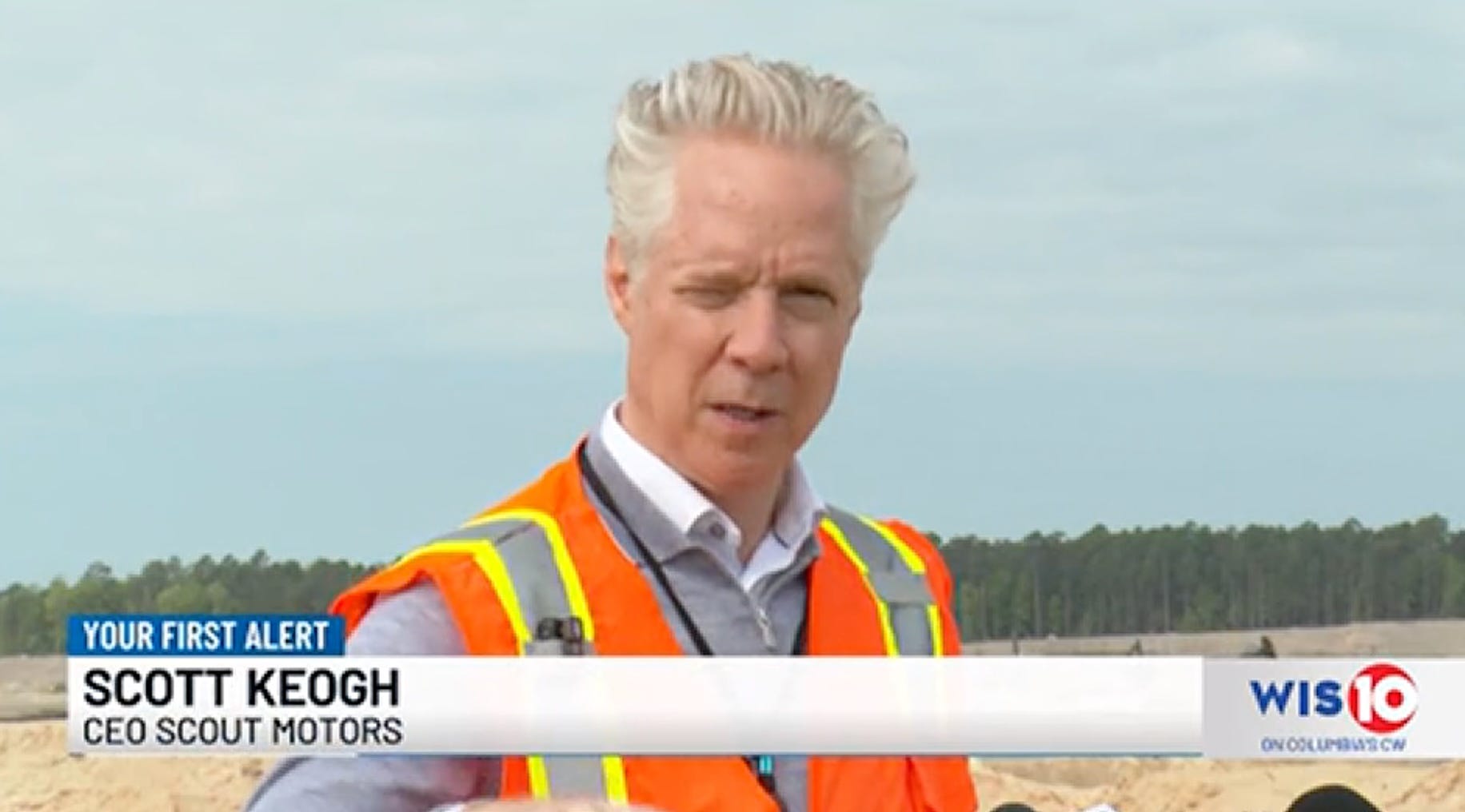
Take Scout Motors for example. Scout, an iconic truck and jeep brand that dates back to the 1950s, is being resurrected as a new electric truck and SUV line.
Scout is building a $2 billion state-of-the-art factory near Columbia, South Carolina. This investment was made possible by clean energy tax credits for Electric Vehicle (EV) assembly as well as sales. When Scout’s EVs roll off the assembly line in 2027, the factory will employ 4,000 people.
But those jobs may be at risk if people can’t afford to buy EVs. The Senate and House-passed bill would end the $7,500 tax credit for a new electric vehicle as well as the $4,000 credit for those who buy a used EV.
CEO Scott Keogh said Scout made the “right decision” to manufacture in America, but “repealing these tax incentives could have a significantly negative impact on the growth of Scout Motors.”
It’s not just South Carolina. In red states such as Texas, Oklahoma, and Iowa, these industries have already become significant economic drivers, providing thousands of high-paying jobs and attracting billions in private investment.
In Texas, renewable energy providers are hitting pause on developing new renewable energy projects and waiting to see if they will pencil out after Washington finishes their bill at the same time they’re monitoring the effects of tariffs.
Michael Kolodner works to develop renewable projects. “This is probably the highest-risk environment for investing, certainly that I've seen in my lifetime. It feels bigger than COVID.”
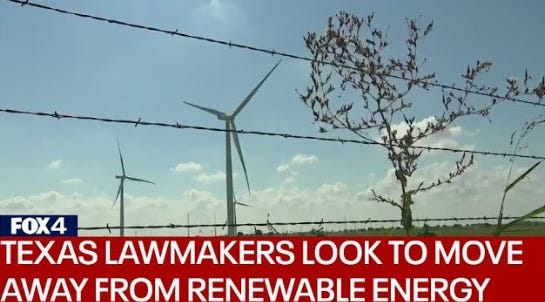
The proposed cuts threaten to halt these “All of the Above” energy developments, leaving these states without a key source of economic diversification and job creation.
Axios reported that 9,000 clean energy jobs have already been cancelled in red state congressional districts, with more promised losses on the way if the bill passes.
Equally appalling is the bill’s assault on rural healthcare. The Big Beautiful Bill eliminates funding that keeps rural hospitals open, many of which are already operating on razor-thin margins.
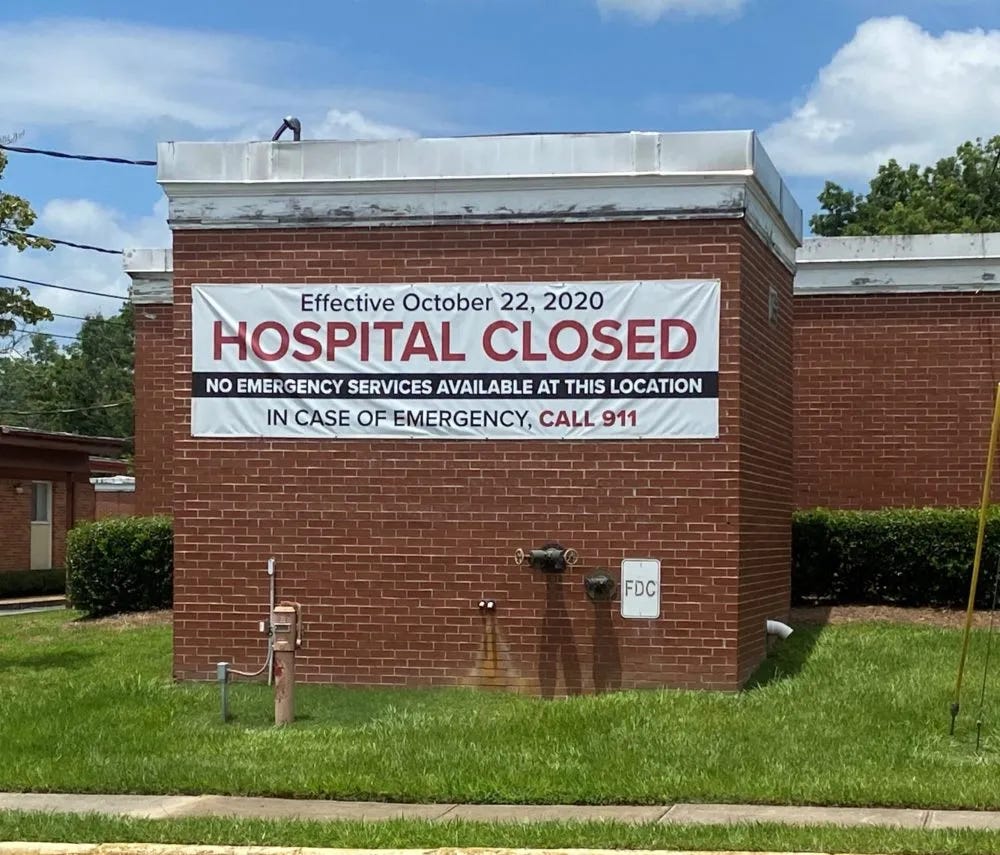
Rural hospitals often serve as economic anchors, employing hundreds of staff and supporting local economies. Their closure will not only jeopardize healthcare outcomes but also erode the economic fabric of these areas.
In states like Mississippi, West Virginia, and Kansas, the closure of even a single hospital can devastate local communities, cutting off access to vital healthcare services and forcing residents to travel hours for basic care.
One in three West Virginians are covered by Medicaid including Mariah Plante’s brother, Matt. She is the caregiver for her brother who is legally blind, nonverbal and autistic.
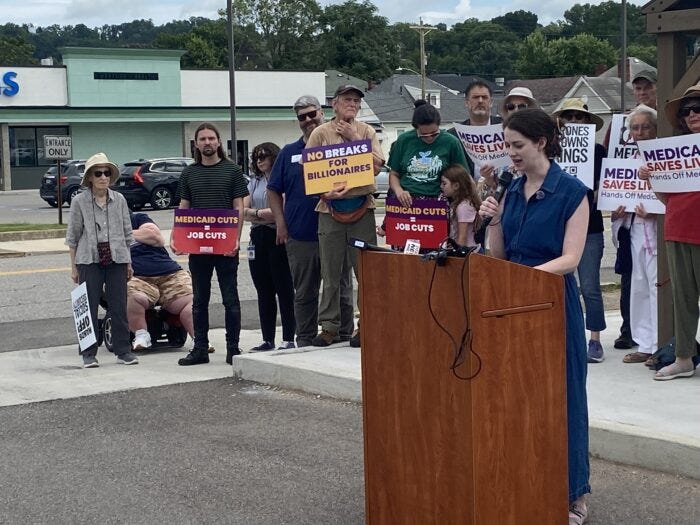
Medicaid allows Mariah to care for Matt at home rather than in a healthcare facility. The cuts “directly impact my family in that we might not be able to afford care for our brother,” Plante said.
This bill reflects a short-sighted approach that prioritizes budget cuts over long-term investments in economic growth and community health. For many red states, which stand to lose the most from these provisions, the impacts will be profound. Jobs will disappear, healthcare deserts will expand, and communities will face new challenges to their viability.
Rather than creating a framework for a responsible budget, the Senate’s version of the reconciliation bill leaves red states grappling even bigger problems than that already face.
Senate Majority Leader John Thune is threatening to keep the Senate in session over the July 4 holiday if it means passing the bill.
Across the country, voters will be watching. Will Senate Republicans really choose MAGA over Main Street?